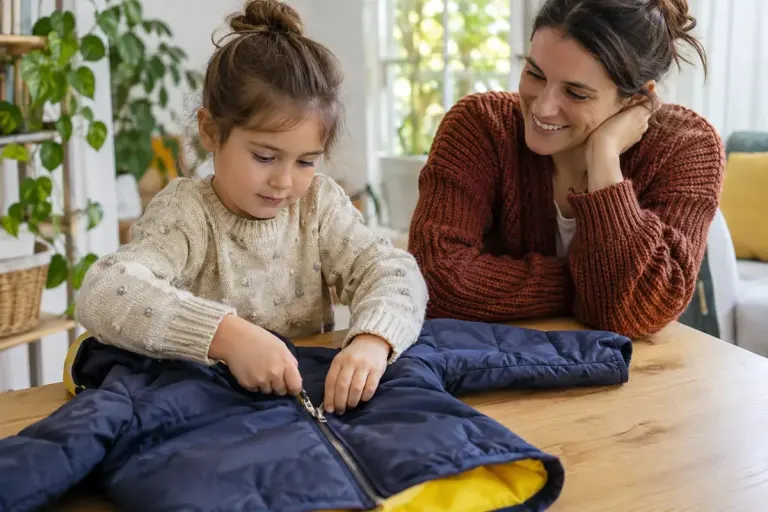
Practising dressing can begin with the clothes off the body
Practising a button or zip on clothing laid flat can make the task easier to see. Build dressing skills in small steps without turning the morning routine into a test.
Practising a button or zip on clothing laid flat can make the task easier to see. Build dressing skills in small steps without turning the morning routine into a test.

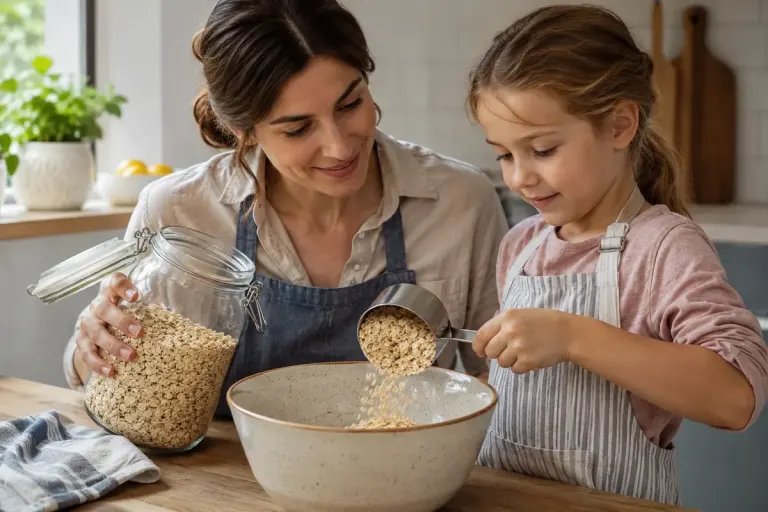
Make shared cooking manageable with one measuring task, a clear stopping point and room for children to participate in different ways.

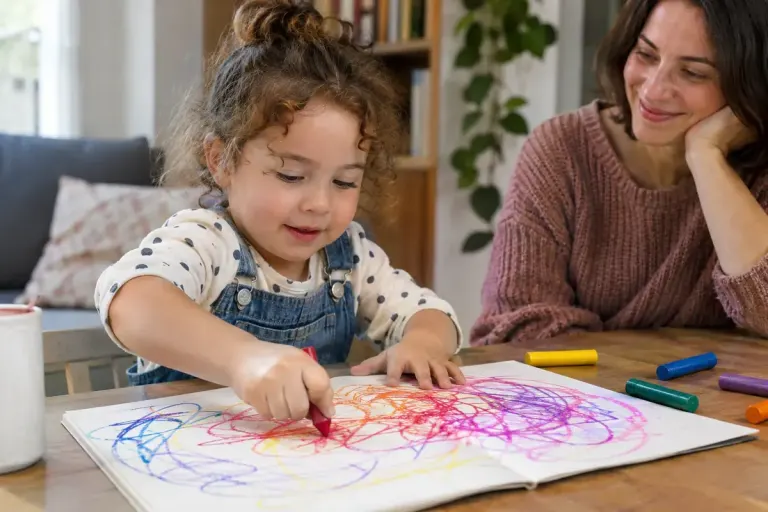
Make a short picture book from one ordinary family outing. Plan a few pages, add drawings or photographs, and let the finished book be easy to revisit.

Serve-and-return interaction begins by noticing a baby’s cue and responding. Try small, ordinary exchanges without turning play into a performance test.

Try child-led play with fewer quiz questions and more attentive description, while keeping age-appropriate toys and safety boundaries in place.

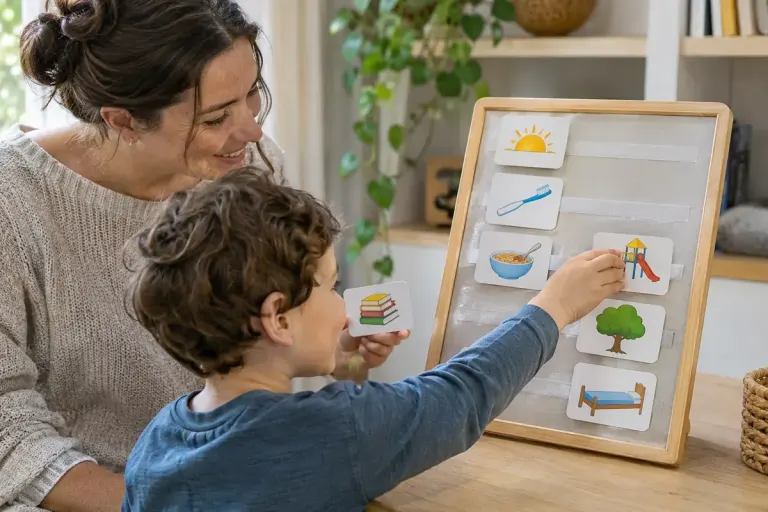
When a family plan changes, a child may need a clear way to revisit it. Use simple language, visible updates and realistic choices.

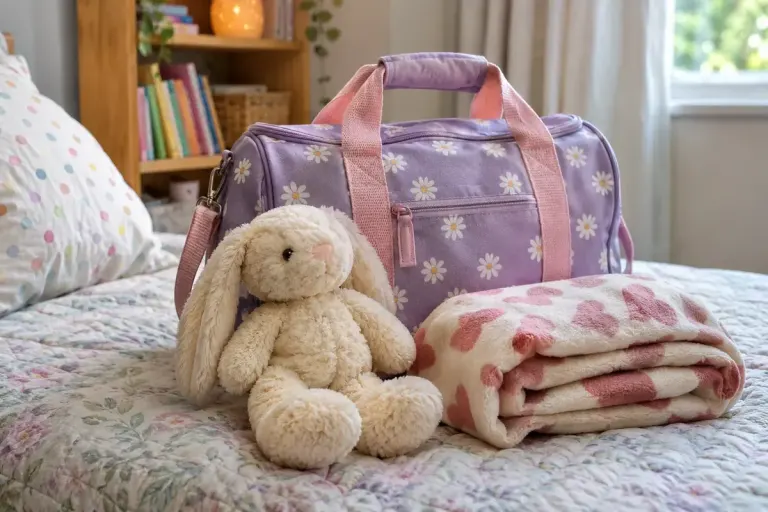
A familiar toy or blanket can support a child’s transition. Plan how it travels, respect their preference, and keep infant sleep spaces clear.

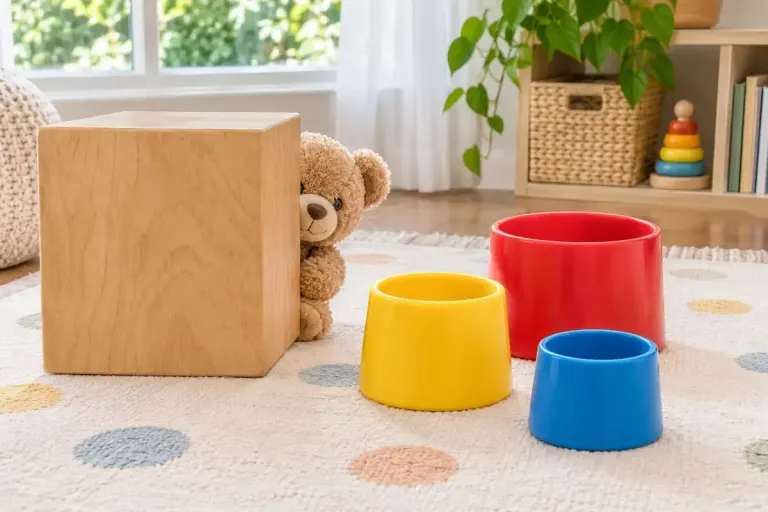
Peekaboo gives babies a gentle way to explore disappearance and return. Follow your baby’s interest and treat it as shared play, not a pass-or-fail development test.

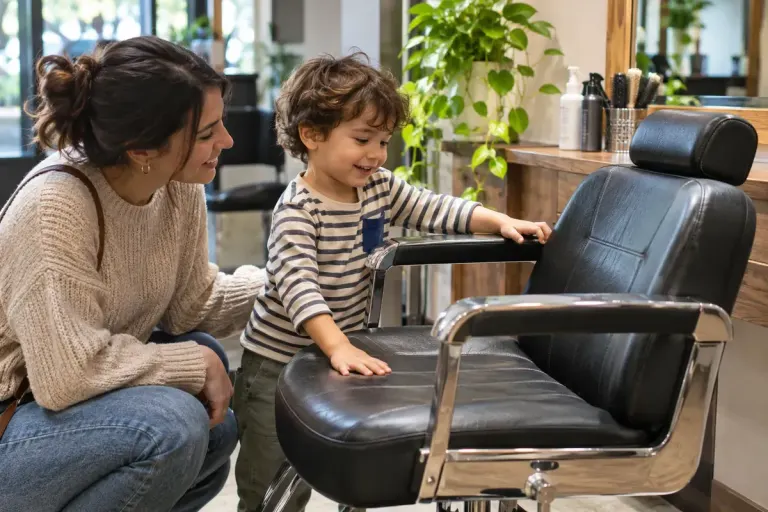
Help a child prepare for a haircut with a quieter appointment, a clear sequence and an agreed pause signal. Build the visit around the child’s preferences.